
HM Solutions Home Organizing

Manhattan

Home organizer Manhattan — From Prewar Closets to Doorman Towers

Upper East Side co-ops, Upper West Side classic sixes, Tribeca lofts, Chelsea walk-ups: home organizer Manhattan support should fit the realities of the building as well as the home. HM Solutions, led by Mariya, provides a clear plan for local households. Quote within 24 hours. Done in 1–3 days.

Quote within 24 hours. Done in 1–3 days. · Manhattan · Brooklyn · Jersey City

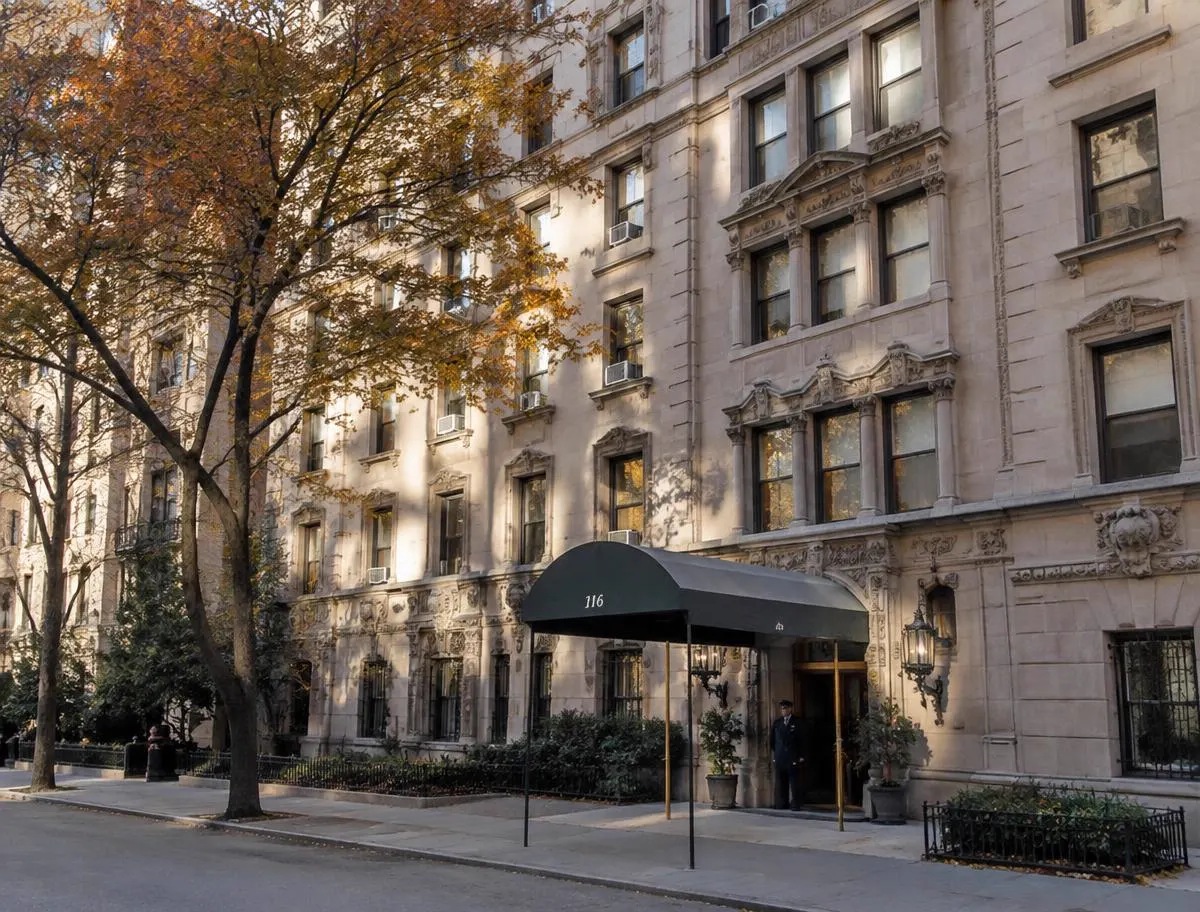
Manhattan prewar doorman building on the Upper West Side

Home organizer Manhattan for Every Building Type

Manhattan homes are shaped by their architecture, floor plans, and shared-building expectations. From a compact studio in a walk-up to a family apartment with formal rooms and a separate service entrance, the neighborhood context matters. A thoughtful plan respects what residents value about the home while making daily routines easier.

Home organizer Manhattan: Prewar co-ops

On the Upper East Side and Upper West Side, prewar apartments often pair gracious room proportions with closets that feel surprisingly limited. A classic six may include a formal dining room, long entry gallery, and a small staff room that has become general storage. Original millwork, plaster walls, radiator covers, and narrow doorways can constrain what fits and where. A home organizer Manhattan household can rely on pays attention to those fixed details instead of treating every room like a blank box. The aim is to make existing space feel legible and useful without erasing the character that attracted the resident in the first place.

In co-ops, plans also need to be considerate of neighbors and building policies. Residents may have designated contractor hours, requirements for protective coverings, and expectations about elevator use. We encourage clients to share the house rules early so that a proposed date and scope feel realistic. If a room has built-in shelves or delicate finishes, photographs help us understand the setting before the visit. Practical decisions can then be made with confidence, rather than asking a resident to improvise around a doorway or closet after the day has begun.

Home organizer Manhattan: Doorman towers

Newer towers around Hudson Yards, Midtown West, and Battery Park City often offer larger closets and useful amenity spaces, but kitchens, entryways, or secondary bedrooms may be compact. Package rooms, loading procedures, visitor registration, and designated service routes all influence how a delivery or workday should be planned. Tribeca and SoHo lofts bring a different set of considerations: open plans, high ceilings, unusual storage walls, and fewer conventional closets. In the Village and East Village, narrow stairs and small landings are part of daily life in many walk-ups.

These differences are not obstacles; they are essential local context. For a walk-up, the amount and size of anything brought into the home deserves extra thought. In a doorman building, it helps to know whether the front desk needs names in advance or whether a freight elevator must be reserved. In a loft, sightlines matter because storage remains visible from living and dining areas. We discuss these conditions with the resident and use them to shape a sensible scope, timing, and arrival plan.

Home organizer Manhattan: Local planning

Manhattan addresses can vary dramatically even within a few blocks. A prewar co-op near Central Park West has different circulation and management expectations from a newer rental tower downtown. A brownstone apartment in Harlem, a Chelsea railroad layout, and a compact studio near Union Square each call for a different understanding of how residents move through the space. The building type, household schedule, and access details matter at least as much as the room name on a request.

Before setting a date, consider which rooms are most important, whether the home has pets or children, and whether there are building-specific instructions for visitors. We can work with the details you provide and clarify anything that affects access. The goal is a composed, respectful experience for residents and neighbors—not a generic plan applied without regard to local conditions. That care is especially valuable when the apartment has limited circulation space or when the household is balancing work, school, and building schedules.

Manhattan Building Access, COIs, and Arrival Details

In a dense borough, logistics deserve attention before the workday. Co-op boards, managing agents, doormen, and supers may each have a role in coordinating access. Sharing the relevant rules early gives everyone a more predictable experience and helps avoid last-minute surprises.

Planning with boards and managing agents

Many co-ops and condos ask for a certificate of insurance (COI), advance notice, or approval from the managing agent. Requirements vary by property, so please forward the building's current instructions rather than relying on a neighbor's experience from another address. Some buildings specify certificate wording, the name of the insured entity, or the person who must receive the document. Others require a work request, proof of insurance, or a reservation before the date is final.

Mariya's team can coordinate the information needed for the visit and help you understand what to submit. Tell us about any approval lead time, permitted hours, restrictions on deliveries, and required floor or doorway protection. If your board has a form, sharing it with your inquiry makes it easier to plan accurately. The building's rules remain the authority, and a confirmed schedule should account for them. This is particularly important during busy seasons, when elevator reservations and vendor calendars may fill well in advance.

Freight elevators and service entrances

Some properties require vendors to use a service entrance, sign in with the front desk, or reserve a freight elevator for a specific time window. Elevator dimensions and loading rules can matter when a household is receiving boxes or bringing items out of the apartment. Let us know whether there are limits on cart use, hallway staging, or the number of people who may enter. A short message from a super or managing agent can often clarify the details that otherwise remain uncertain.

Freight elevator windows may be shared with movers, deliveries, and maintenance. We therefore recommend confirming the reservation directly with building staff and allowing adequate time for check-in. If elevator access is limited, we can discuss a schedule that respects the approved window. For buildings that ask vendors to avoid the lobby or certain hours, a straightforward arrival plan helps preserve the calm of shared spaces and shows consideration for residents and staff.

Parking, street cleaning, and arrival

Manhattan parking is highly variable. Street regulations, alternate-side cleaning, commercial loading zones, garage availability, and traffic can all affect arrival time, particularly around school dismissal, rush hour, or construction. We do not assume that a curbside space will be open or that a vehicle can wait near a building entrance. When access or unloading has special constraints, please include them in your message so the arrival plan can be discussed before the appointment.

A doorman or super may be able to explain the preferred place to check in and whether a brief unloading stop is permitted. In neighborhoods with narrow streets or active loading areas, that information can prevent confusion and unnecessary disruption. Clients are welcome to share the nearest cross street and any posted instructions along with the apartment details. The more precise the context, the easier it is to make a grounded plan that suits the building and the rhythm of its block.

Local Apartment Context from the Upper East Side to Downtown

Manhattan's varied housing stock creates distinct space and access considerations. These neighborhood details help residents prepare a useful inquiry and explain why the same request can look different from one building to the next.

Neighborhood patterns and daily routines

On the Upper East Side and Upper West Side, residents may be balancing family schedules, school bags, formal entertaining, and longstanding co-op routines. Harlem includes brownstones, elevator buildings, and a wide range of apartment layouts. In Chelsea and the West Village, walk-ups and older buildings can mean compact kitchens, narrow stairs, and little room to stage belongings. Tribeca, SoHo, and the Financial District include lofts and newer towers where open-plan living makes visual calm particularly important.

Farther east, the East Village and Lower East Side mix older tenements with newer residences, while Midtown and the Hudson waterfront include many full-service towers. These are broad patterns, not assumptions about an individual home. We welcome the details that make your apartment distinct: a long hallway, a small galley kitchen, a nursery being prepared, a home office sharing space with a living room, or a building rule that affects when visitors may arrive. The best local plan starts by listening to the resident rather than guessing from an address.

Storage in compact and high-use homes

Manhattan residents often ask how to make a small entry work for coats and everyday bags, how to keep kitchen counters usable, or how to make a bedroom closet serve more than one season. In a household with limited square footage, each decision has a visible effect on circulation. The pathway from the front door to the kitchen may also be the route used for groceries, strollers, luggage, and deliveries. Small practical improvements can have an outsized effect when they reflect the way residents actually live.

For a family, a shared apartment may need distinct places for school items, sports equipment, work materials, and seasonal clothing. For a single resident, a studio may have to accommodate sleep, dining, entertaining, and focused work without separate rooms. Loft residents may want storage that does not interrupt open sightlines, while prewar residents may prefer to preserve built-ins and room details. We discuss priorities and constraints so that choices reflect everyday use, not a one-size-fits-all image of an organized home.

Donations and neighborhood drop logistics

Donation decisions in Manhattan involve more than choosing what to part with. Residents may need to check a building's rules about holding bags in a hallway, using a service entrance, or moving items through a lobby. Sidewalk space is limited, and curbside placement is not a reliable option. A doorman, super, or managing agent may have specific instructions for removal, especially when elevators or loading areas are shared with other residents.

If you are considering donations, let us know what types of items are involved and whether the building permits temporary staging. We can talk through practical next steps and the time available, without presuming that every item can be taken away during the appointment. Local drop-off options and operating hours can change, so residents should confirm current acceptance policies directly with the organization they choose. Clear expectations help keep common areas tidy and make decisions more comfortable for the household.

Manhattan Project Expectations and Household Priorities

A well-scoped visit begins with the household's priorities, the available time, and the building's conditions. There is no need to have every decision settled before asking for a quote; a few details about the home give us a useful starting point.

Choosing a useful starting point

Residents often have several competing priorities: a bedroom closet that has become difficult to use, an entry piled with daily essentials, a kitchen that needs breathing room, or boxes left after a move. It can help to name the space that causes the most friction instead of listing every room at once. Consider when that frustration appears: during the morning rush, while putting groceries away, when guests arrive, or when changing seasons. Those observations help turn a broad feeling of overwhelm into a concrete conversation.

If a project involves more than one room, think about which area would make the greatest difference if it felt easier next week. You can also mention upcoming events, a new baby, a change in household members, or a planned renovation. We use those goals to understand what matters most and to discuss a realistic scope. The conversation is collaborative: you remain the expert on your home, while we bring an outside perspective and an organized way to consider the priorities.

Respect for privacy and personal decisions

Home organizing can involve personal belongings and meaningful memories. Residents decide what stays, what leaves, and what is not ready for a decision. There is no requirement to discard items simply to create a tidy appearance. A supportive conversation leaves space for practical questions and individual preferences, whether the concern is sentimental keepsakes, paperwork, inherited objects, or everyday items used by more than one person.

Shared homes can bring different perspectives about space and belongings. One person may want a clear counter, while another needs frequently used tools within reach. Naming those needs openly can make it easier to agree on boundaries and priorities. The purpose is to support the household's routines and comfort, not to impose a particular aesthetic. If there are areas you prefer to keep private or items that should not be moved, please say so before the visit.

A calm experience in a shared building

An apartment is part of a larger residential community. Keeping arrival communication clear, respecting approved hours, and following directions for common areas can help the visit feel considerate from the moment the team arrives. We ask clients to identify any building details that might be easy to miss, such as a side entrance, a visitor list, a call box, or a requirement to check in with the concierge. These details are especially useful when the building has multiple entrances or a busy service desk.

Residents can also let us know about elevator reservations, quiet hours, and any limits on moving items through the building. If plans change, timely communication helps everyone adapt. A quiet, respectful presence matters in Manhattan, where hallways and elevators are shared and neighbors may be working from home. We want the experience to feel organized for the client while remaining attentive to the people and spaces around the apartment.

Manhattan Organizing Stories and Building Notes

Local experience

Manhattan includes homes with very different layouts and house rules. Each inquiry is an opportunity to learn what matters to the resident and what the building requires. Please share the neighborhood, apartment type, and any access guidance that will help us understand the setting. Residents may have a front desk visitor procedure, a service entrance, a specific elevator reservation, or a quiet-hours policy. Those details help us plan a respectful visit without making assumptions based on nearby addresses. Whether your home is a prewar apartment, a loft, a brownstone residence, or a newer tower, we welcome the context that makes it distinct. A brief description and a few photos are often enough to begin a useful conversation about your priorities, timing, and building conditions.

“[TBC] They handled the COI with our managing agent before I even asked.”

— Laura, Upper West Side

“[TBC] Five flights, no elevator, and they were still cheerful at 6pm.”

— Chris, West Village

Manhattan Service Options and Nearby Boroughs

Explore related support

Compare professional organizer cost NYC and learn about home organizer Brooklyn or home organizer Jersey City. Explore closet organizer NYC, kitchen organizer NYC, unpacking service NYC, and apartment decluttering service NYC. A home organizer Manhattan resident contacts should understand that every address has its own building rules and local context. A home organizer Manhattan residents choose should also respect neighborhood-specific access. For every home organizer Manhattan inquiry, neighborhood and access details help shape a practical plan. We are glad to hear from any zip code and can discuss your specific home and timing.

Home organizer Manhattan: Building and Neighborhood Questions

What should I send before a visit to a co-op near Central Park West?

Please share the building's current vendor instructions, any COI wording, and the hours permitted for work. If your co-op requires a board or managing-agent approval, include the expected lead time. A note about elevator reservations, service entrances, and hallway protection is helpful too. Requirements differ even between nearby buildings, so the instructions for your own address are the best guide.

Can you plan around a freight elevator reservation in a Midtown tower?

Yes. Tell us the reservation window, check-in procedure, and any rules for deliveries or carts. Please confirm the booking with building staff, since the building controls elevator availability. We can then discuss a schedule that respects the allotted time and the tower's visitor requirements.

How should I prepare for an appointment in a West Village walk-up?

Let us know the floor, stair access, and whether the building has any limits on carrying items through the entrance or stairwell. A quick description of narrow landings or unusual access details can help us plan appropriately. If you are considering donations or removal, share any building instructions for staging or taking items out.

Do Harlem brownstones and Upper East Side co-ops have different access needs?

They can. A brownstone may have a stoop, multiple apartment entrances, or stairs, while a co-op may require a front-desk check-in, COI, and reserved elevator. These are not universal rules, so share the details for your building. We can discuss the setting and the household's priorities before confirming the appointment.

Can you work with an open-plan Tribeca loft or a compact Chelsea apartment?

Yes. Tell us how the rooms are used and what feels difficult right now. For a loft, residents may prioritize open sightlines and storage that fits the architecture. In a compact Chelsea apartment, circulation and shared functions may be central. A few photos and a description of your goals help us understand the space.

Do you organize homes across Manhattan, including Harlem and the Financial District?

Yes. We welcome inquiries throughout Manhattan and from any zip code. Include your neighborhood, building type, and any access rules in your request so we can understand the local context. We'll reply with a quote within 24 hours and discuss a schedule; projects are done in 1–3 days.

Request a Manhattan Home Organizing Quote

Send your neighborhood, zip code, apartment type, a few photos, and any COI or elevator requirements. Mariya's team will reply with a quote within 24 hours. Projects are done in 1–3 days.

Prefer to talk? (646) 270-4140

Which space?
Home size

Mariya replies within 24 hours with a firm quote and available dates.

Get a quoteCall